

Why Dusk Might Be Better Than Sunset for Coastal Photography
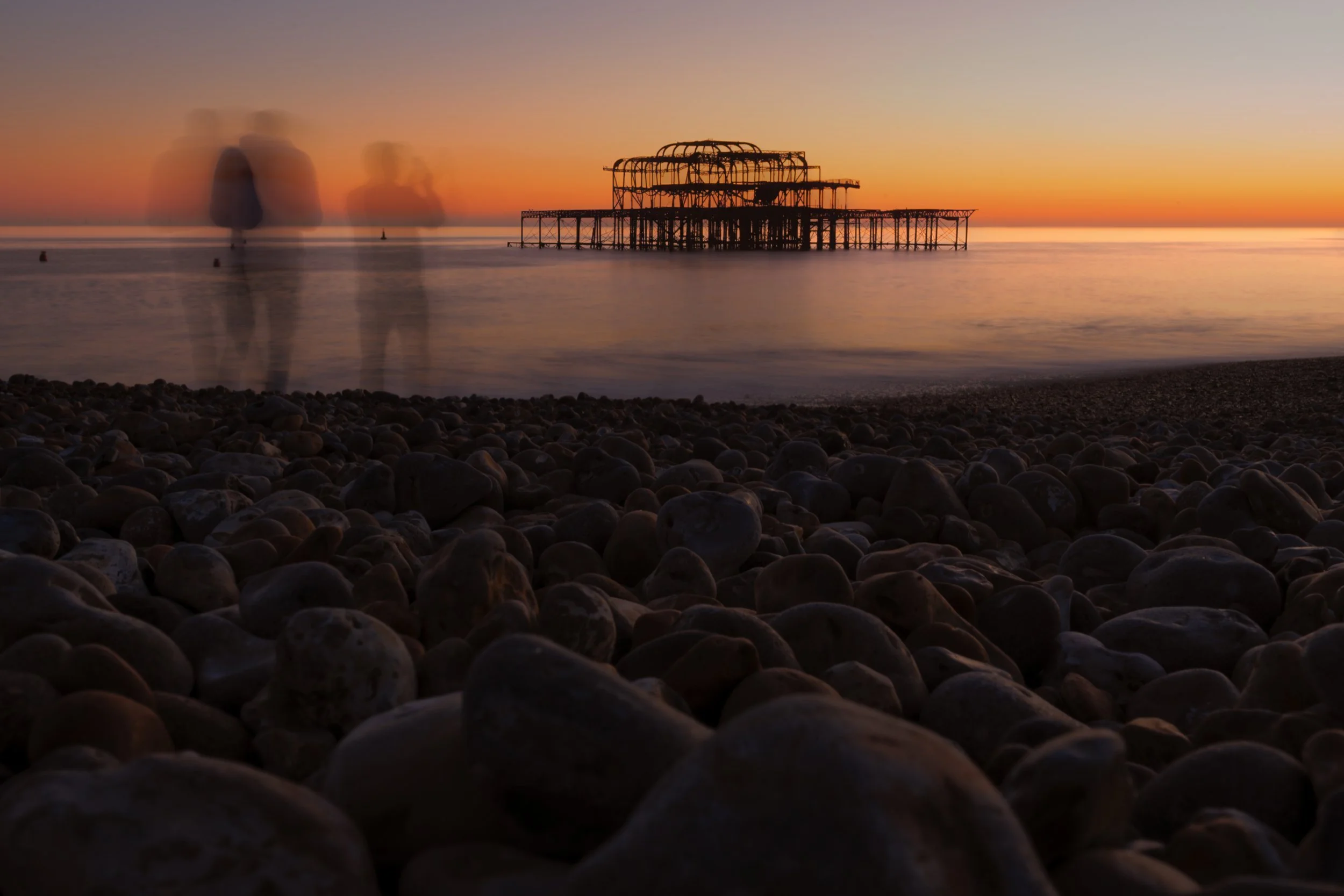
Dusk can be one of the most rewarding times for coastal photography, offering softer colour, lower contrast, and a quieter, more atmospheric mood than sunset itself. As the light fades, the coast often reveals new subjects, from silhouettes and mist to moonlight, harbour lights, and passing cars. Rather than packing up when the sun disappears, it is often worth staying longer and discovering what the landscape becomes after the main show is over.
How Aspect Ratio Changes the Story in Landscape Photography Composition
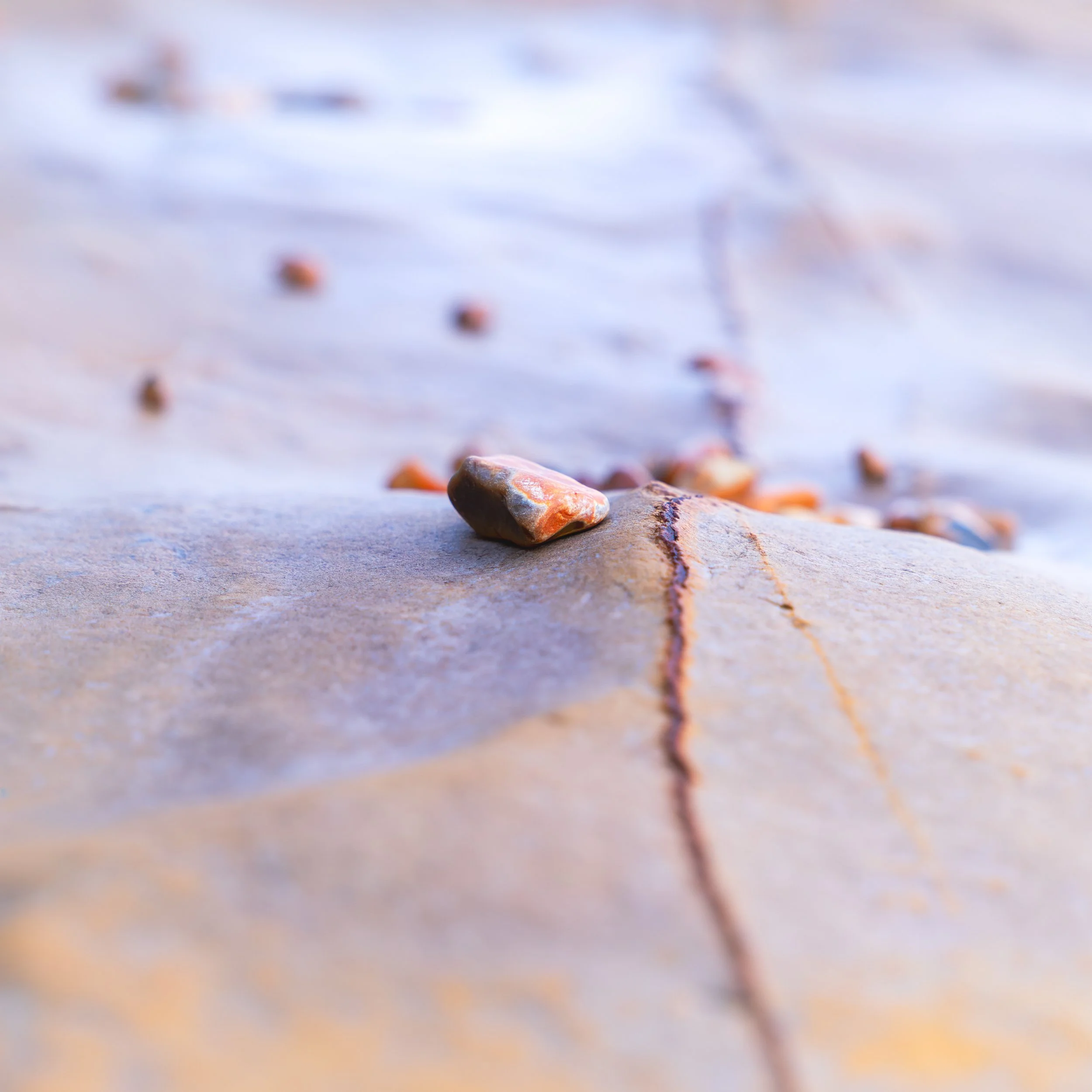
Aspect ratio plays a powerful role in landscape photography composition. The shape of the frame influences how the viewer’s eye moves through the scene and how the story of the landscape unfolds.
Learning photography composition: Natural framing and my compositional journey so far
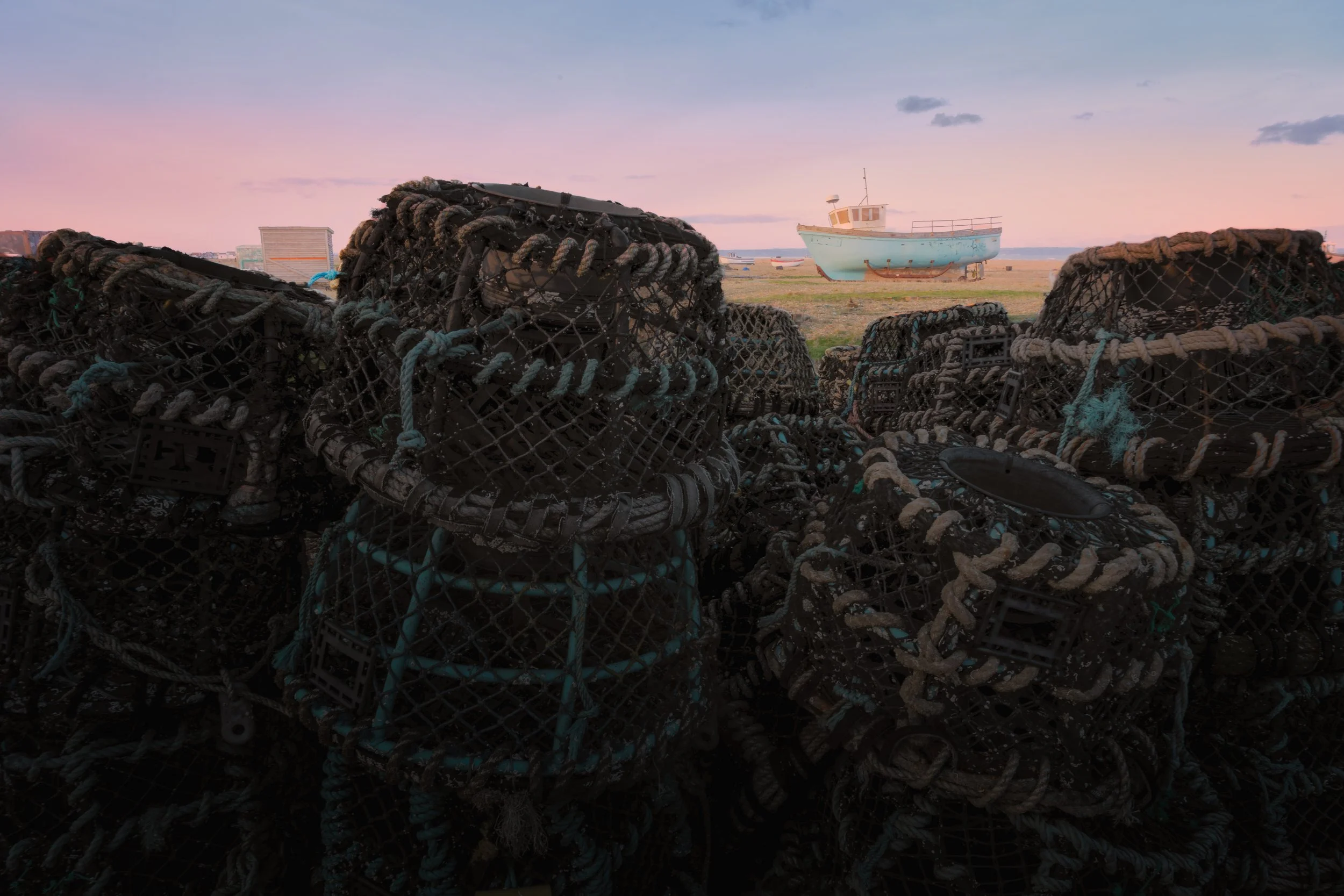
I’ve been focusing on composition lately, especially natural framing, and these recent images feel like a real step forward. What fascinates me most is how different the results are: one feels eerie and watchful, another full of energy and movement, and the Dungeness image deeply personal, rooted in memory and place. I’m pleased with the progress, but I’m also aware of what I still need to improve—particularly building stronger foreground, midground, and background in my landscapes.
Photographing Rye Harbours Mouth, UK
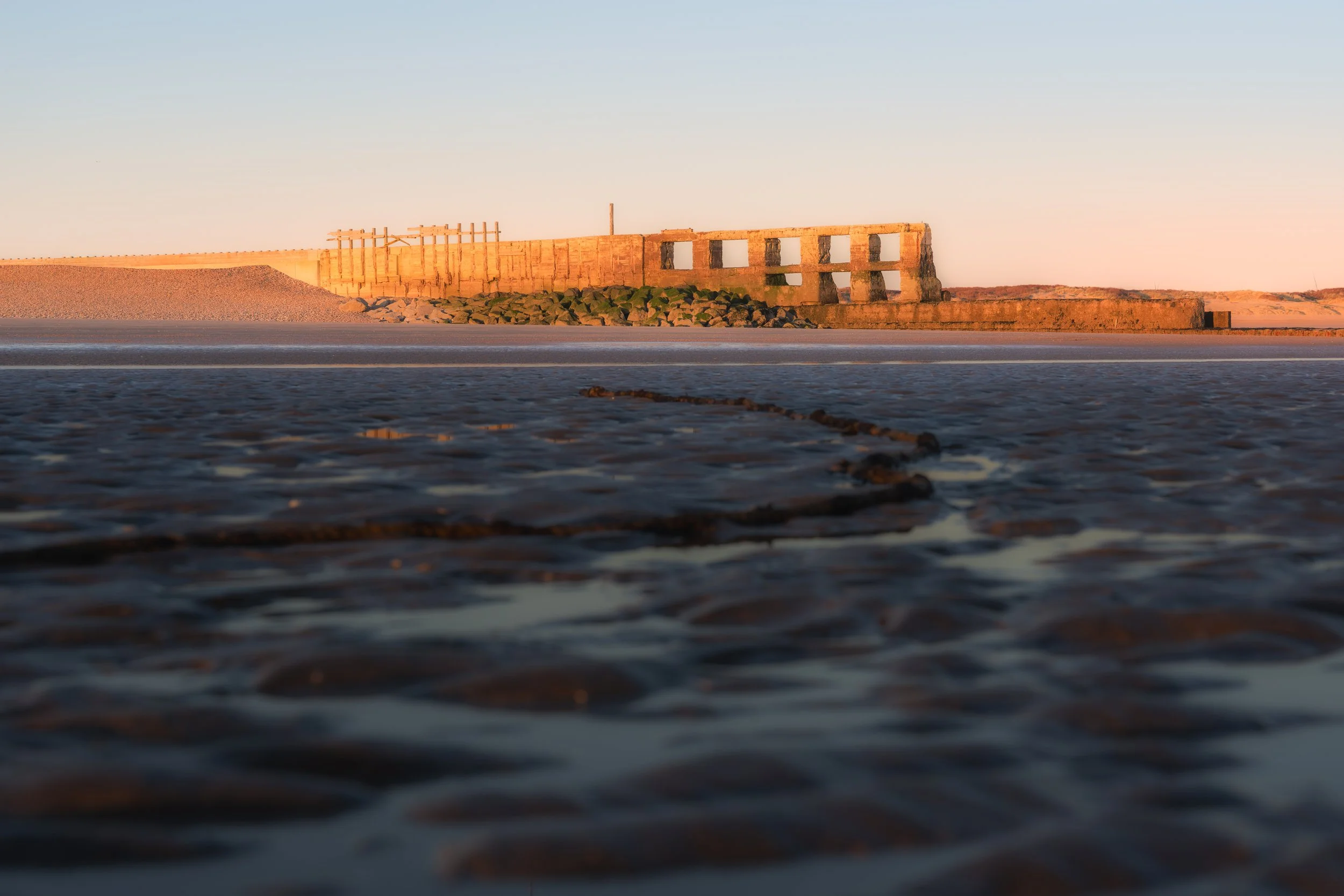
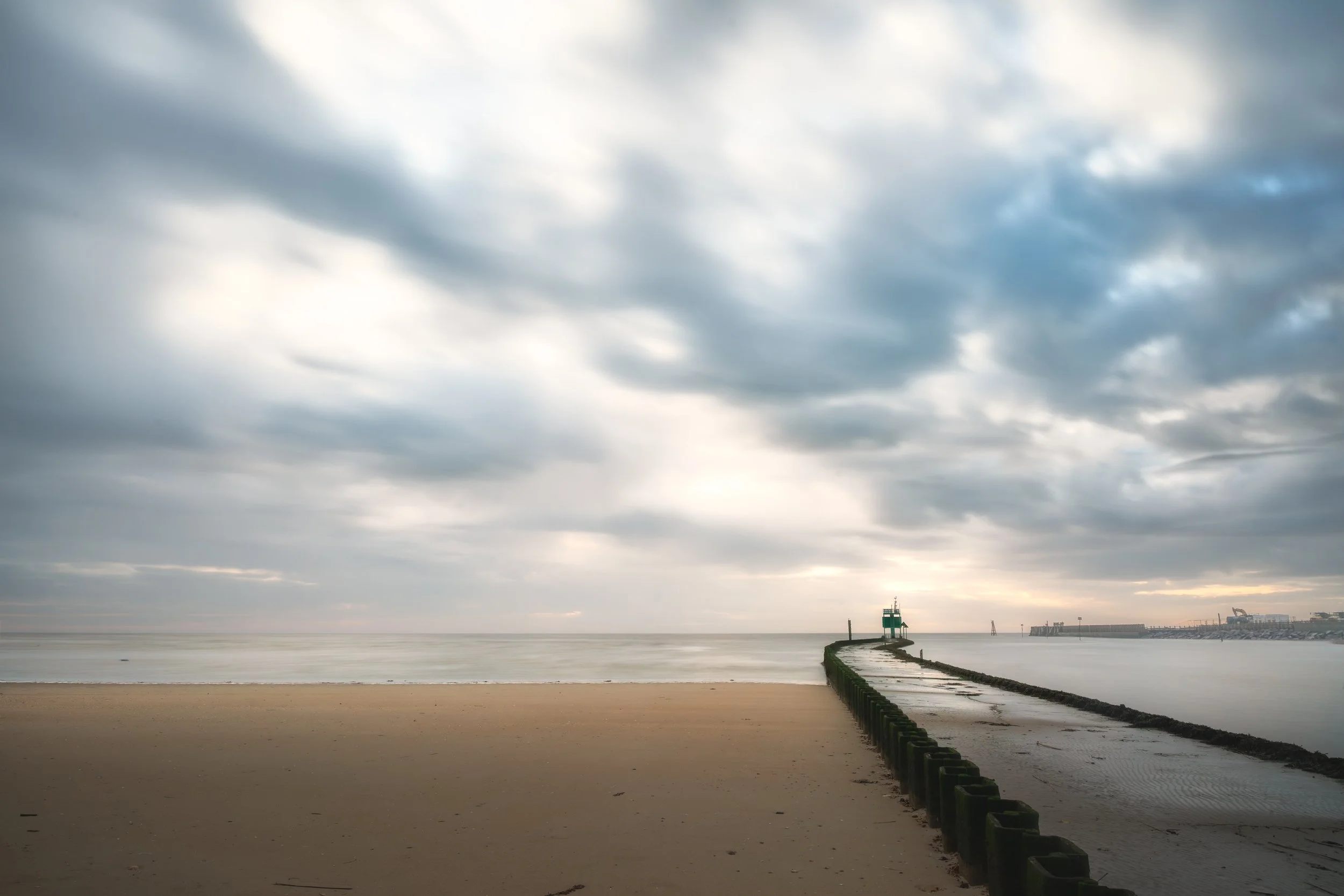
Rye Harbour Mouth is a brilliant spot for photographers because you can shoot it from two very different sides, each offering its own angles for sunrise or sunset depending on the season and light. From the Rye Harbour Nature Reserve car park it’s a short walk to the beach, with plenty of subjects along the way—weathered wave breaks, old pillboxes, and the red-roofed hut. At the mouth itself, boulders and the harbour wall naturally lead your eye toward the marker at the end of the arm, creating simple, strong compositions that change dramatically with tide and weather.

Learning Photography Composition: From Rules to Vision
Composition is the thing photographers keep returning to, yet advice around it often feels contradictory. In this post, I reflect on my own journey through photography composition — from rigid rules to a deeper understanding of balance, flow, and vision — and explore why these two approaches aren’t opposing camps at all, but part of the same creative process.
Returning to Landscape Photography: Inspiration, Process, and Enjoyment
A reflective look at returning to photography after a break, focusing on inspiration, learning, and the mindset needed to enjoy the process again.
“What is my subject?”
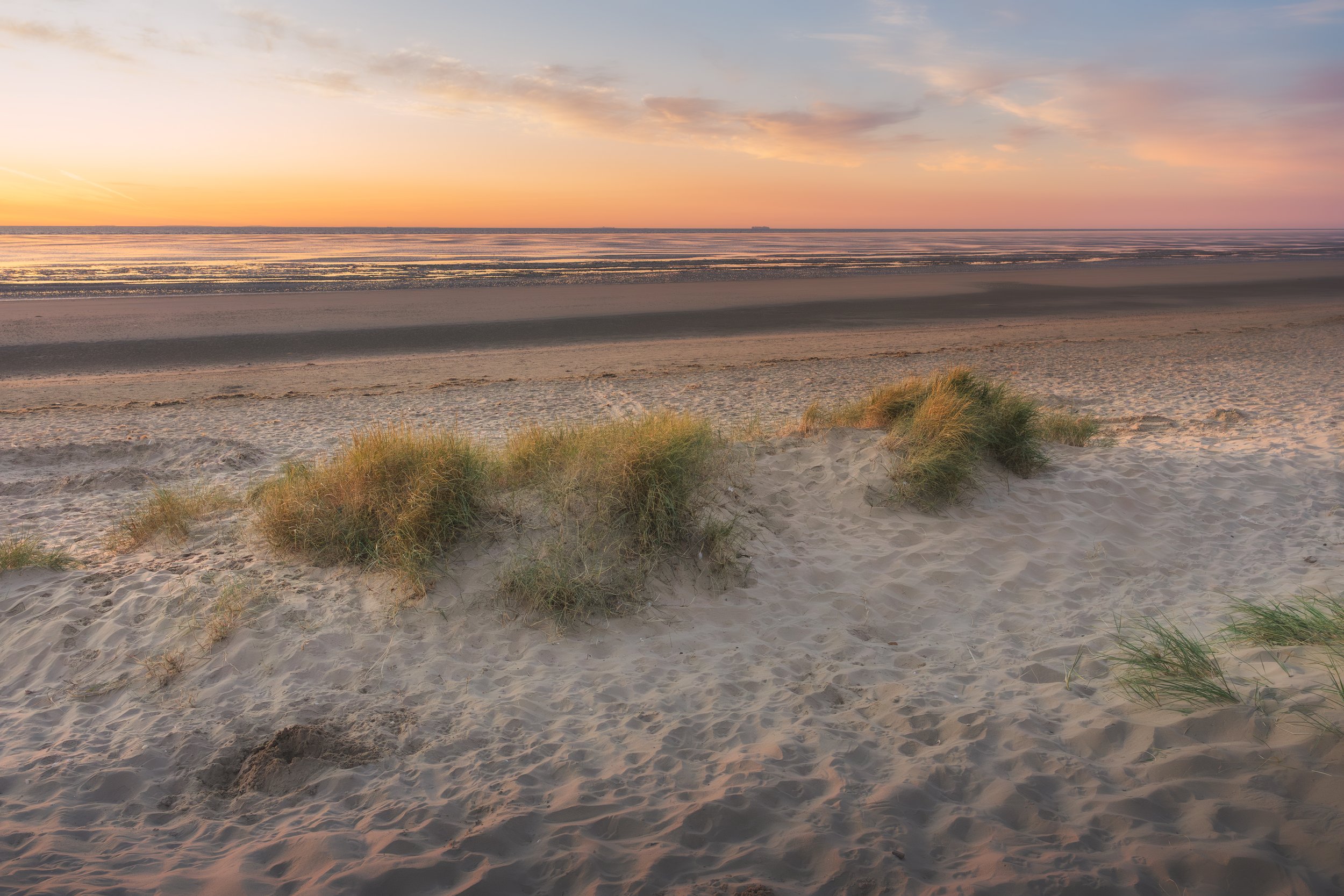
I arrived an hour before sunrise, as I always do, intending to use the dunes as my subject. But in the light and direction that morning, I couldn’t find a composition that worked. My usual process—find a subject, find the light, build the frame—collapsed. There was no subject, no composition, only good light. I panicked and kept asking myself, what is your subject?
It was only after the light had faded that I relaxed. Sitting on the sand, sheltering from the rain beneath a dune, I stopped searching and started feeling. Looking in different directions, different emotions surfaced, and those feelings became the frames. In that moment, I realised the subject wasn’t a thing at all—it was the atmosphere, the emotion, and what the scene left room for.