

Why Dusk Might Be Better Than Sunset for Coastal Photography
Dusk coastal photography can offer softer colour, lower contrast, and more atmosphere than sunset, especially along the coast where artificial light, mist, and silhouettes can become part of the composition.
Introduction
For most of my photography journey, I have naturally gravitated towards sunrise and sunset. Like most photographers, I was drawn to that golden-hour light everyone talks about: soft, warm, and increasingly dramatic as the sun drops lower.
As my composition improved, I became more confident shooting throughout the day too, even if high noon still isn’t my favourite. But lately, what has really excited me is not sunset itself, but what comes after it: blue hour and dusk
The modern camera has long been able to cope with some horrendously dark scenes, but in the last 5 years ML based noise reduction algorithms have made the challenge of shooting in low light almost unnoticeable to the unsuspecting eye.
That changes things. Instead of packing up as soon as the sun disappears, it now makes sense to stay out longer and see what the landscape becomes. This winter, after shooting more sunsets than usual, I found myself lingering later into the evening and discovering that some of the most interesting coastal images came after the main event had already passed.
At dusk, the sky moves through an incredible range of colour, from the last warm oranges and reds into pinks, purples, and deep blues. As the light fades, other elements begin to appear too: the moon, stars, streetlights, harbour lights, passing cars. Contrast drops, the scene becomes quieter, and images can take on a much softer, dreamier, almost painterly quality.
So how do you make the most of it? In natural coastal scenes, the sky is often still the brightest part of the frame, which means you usually need to do one of three things: make the sky your subject, work with silhouettes, or use artificial light to create a focal point.
Make the Sky the Subject in Dusk
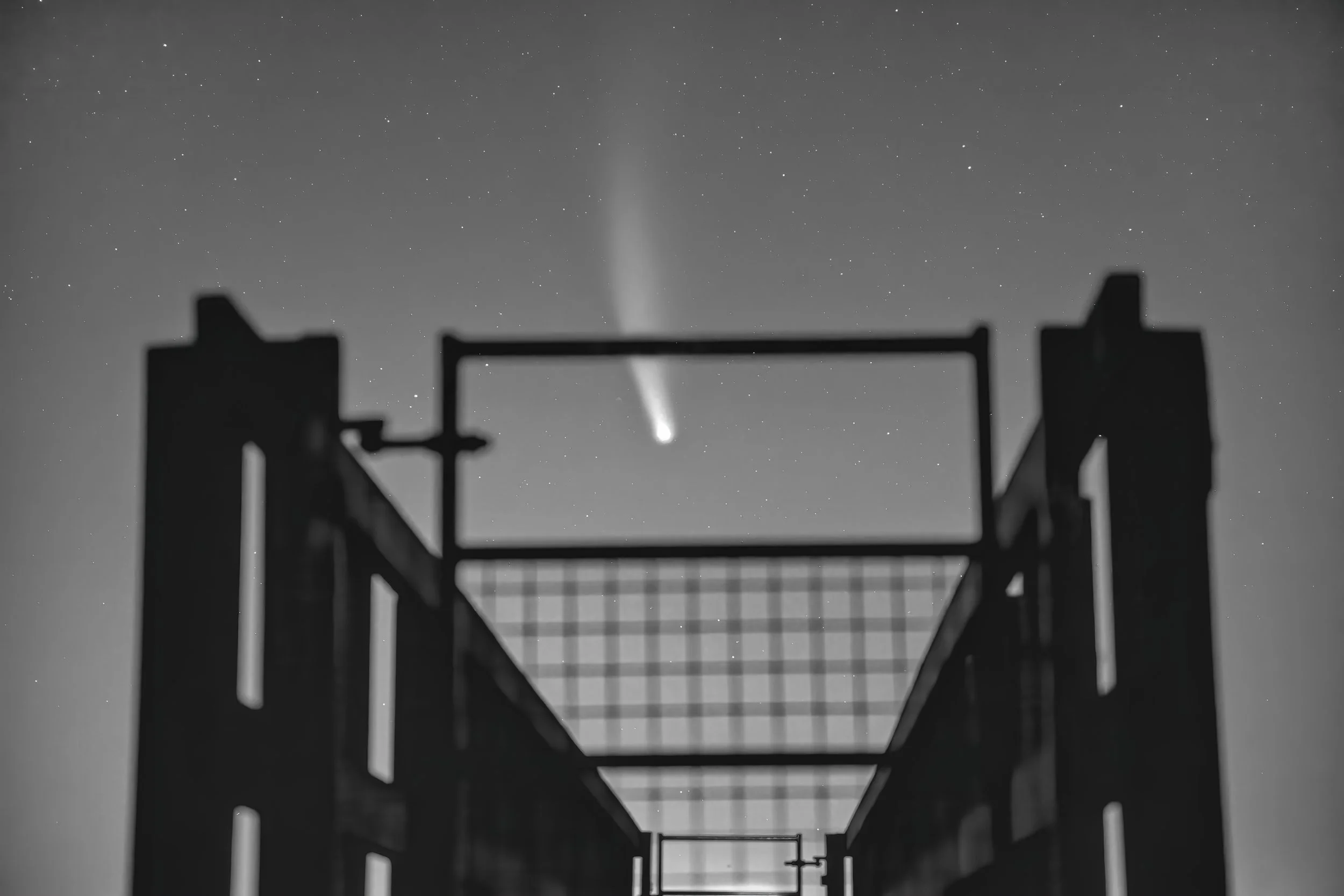

The obvious way to make the sky the subject would be astrophotography, star trails or Milky Way shots both make amazing subjects. But I wanted this to be a bit different, so I show two examples without. The first is a comet I took a few years ago, with a supporting bridge on the marsh. The second is a framed shot of the moon, where the supporting frame is a harbour wall.
Using Silhouettes at Dusk
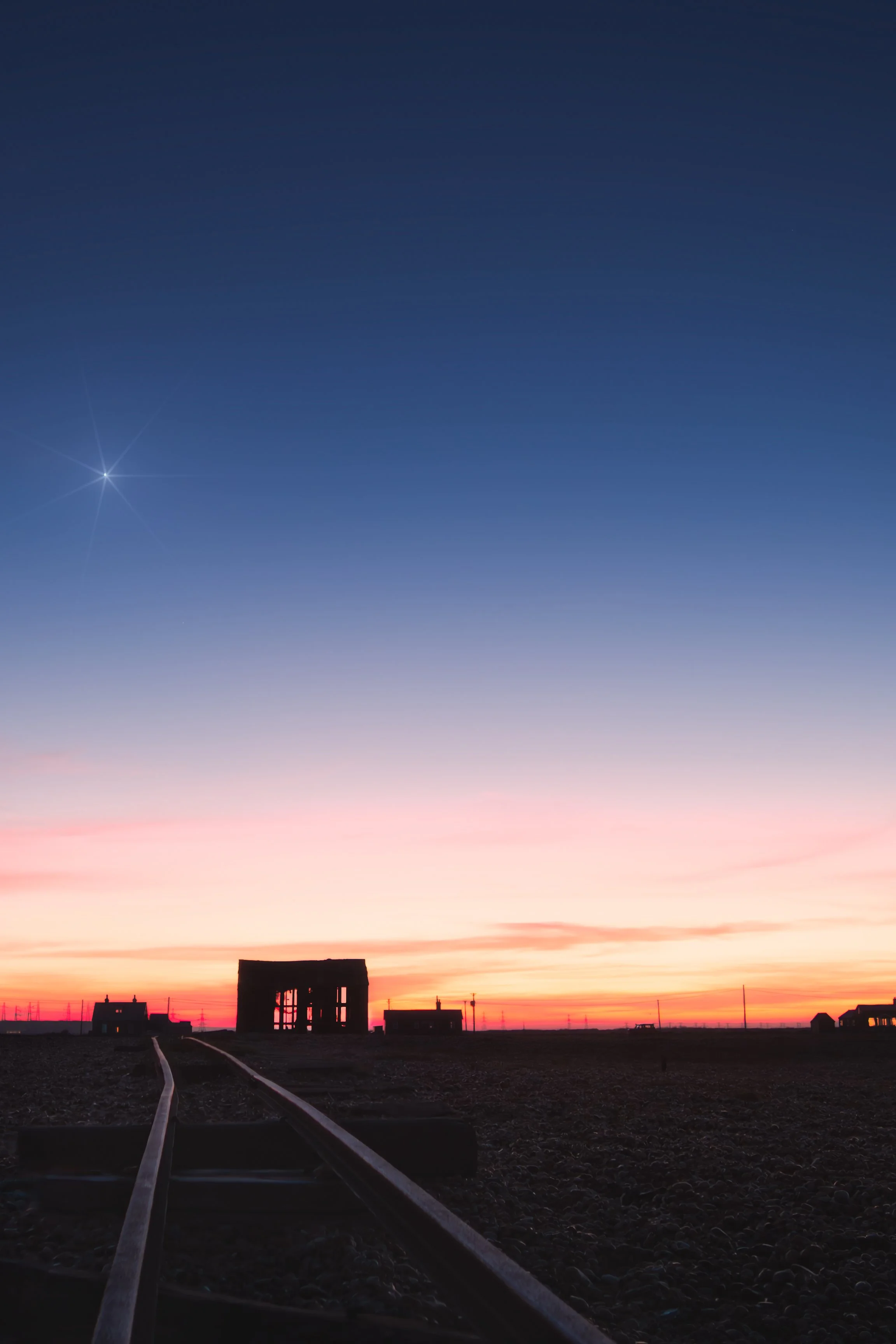
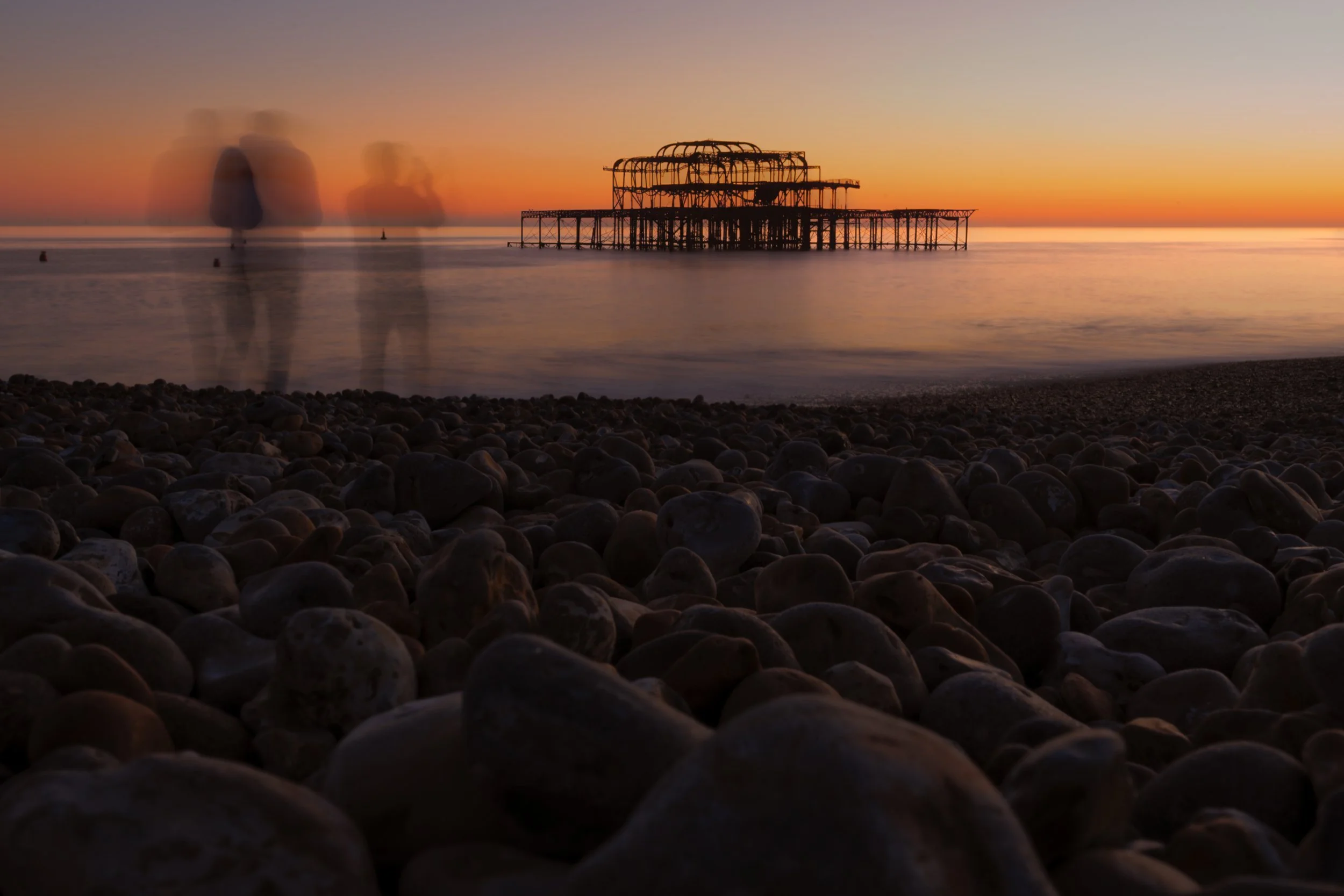
I love shooting silhouettes, I have done this at sunrise and sunset, but the ones that really hit home are these dusk silhouettes. Both of these images have absolute character, the first on a fishing beach, they used the tracks to run their catch up the beaches. The second was a long exposure, I didn’t have a tripod, it was long after sunset and the light almost not existent. Originally I was a bit upset with the pair wondering into my frame until I realised they made for a really amazing story.
Using Fog, Mist, and Atmosphere
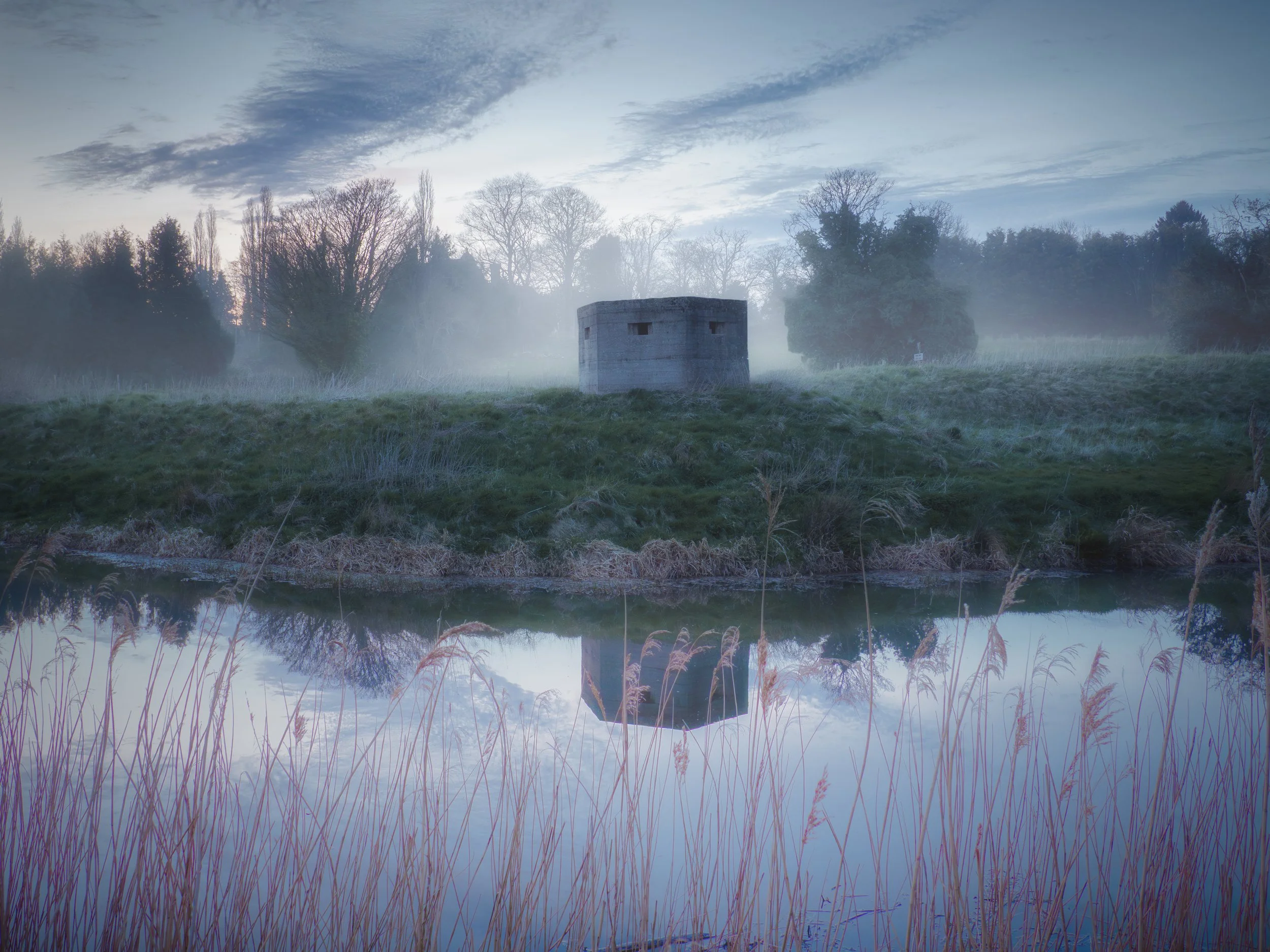
I was actually on my way home from a sunset shoot of a nearby field when I saw this pill box, it was getting quite dark, but I loved how the mist was setting in. I really wanted the canal to fill with mist as well, but it did not really happen, but in reflection, it came out better than I could have hoped for.
Using Artificial Light as a Subject at Dusk
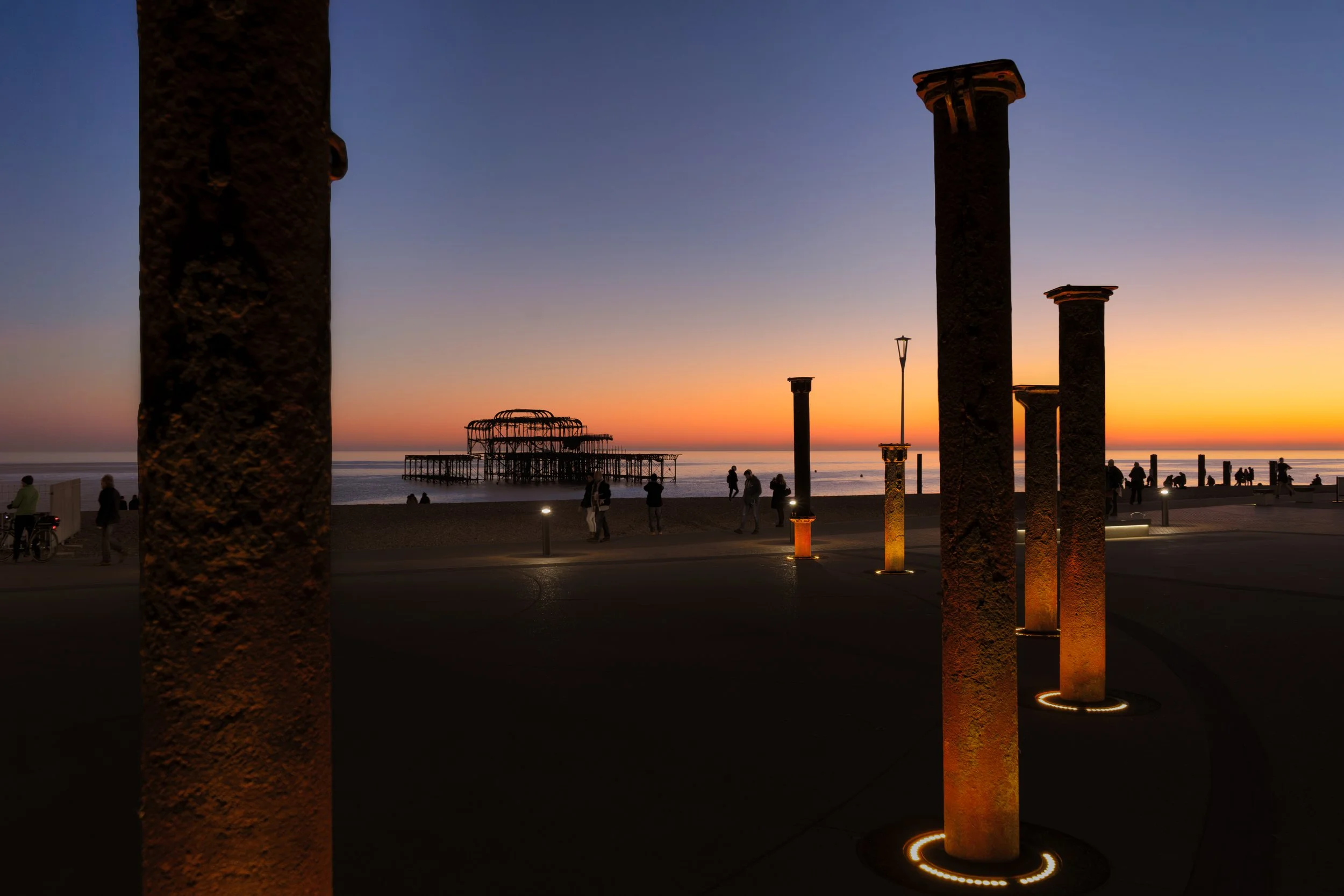
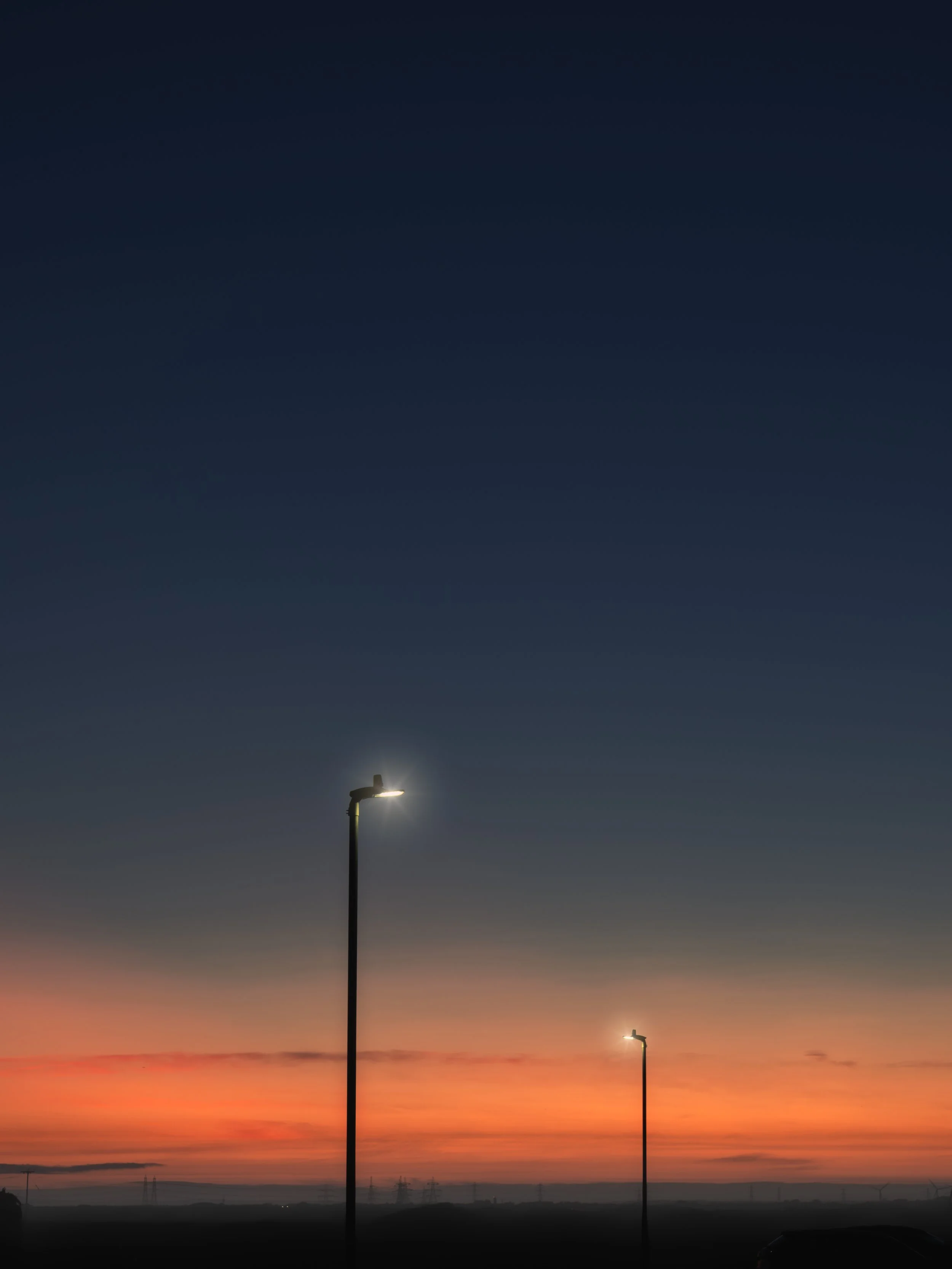
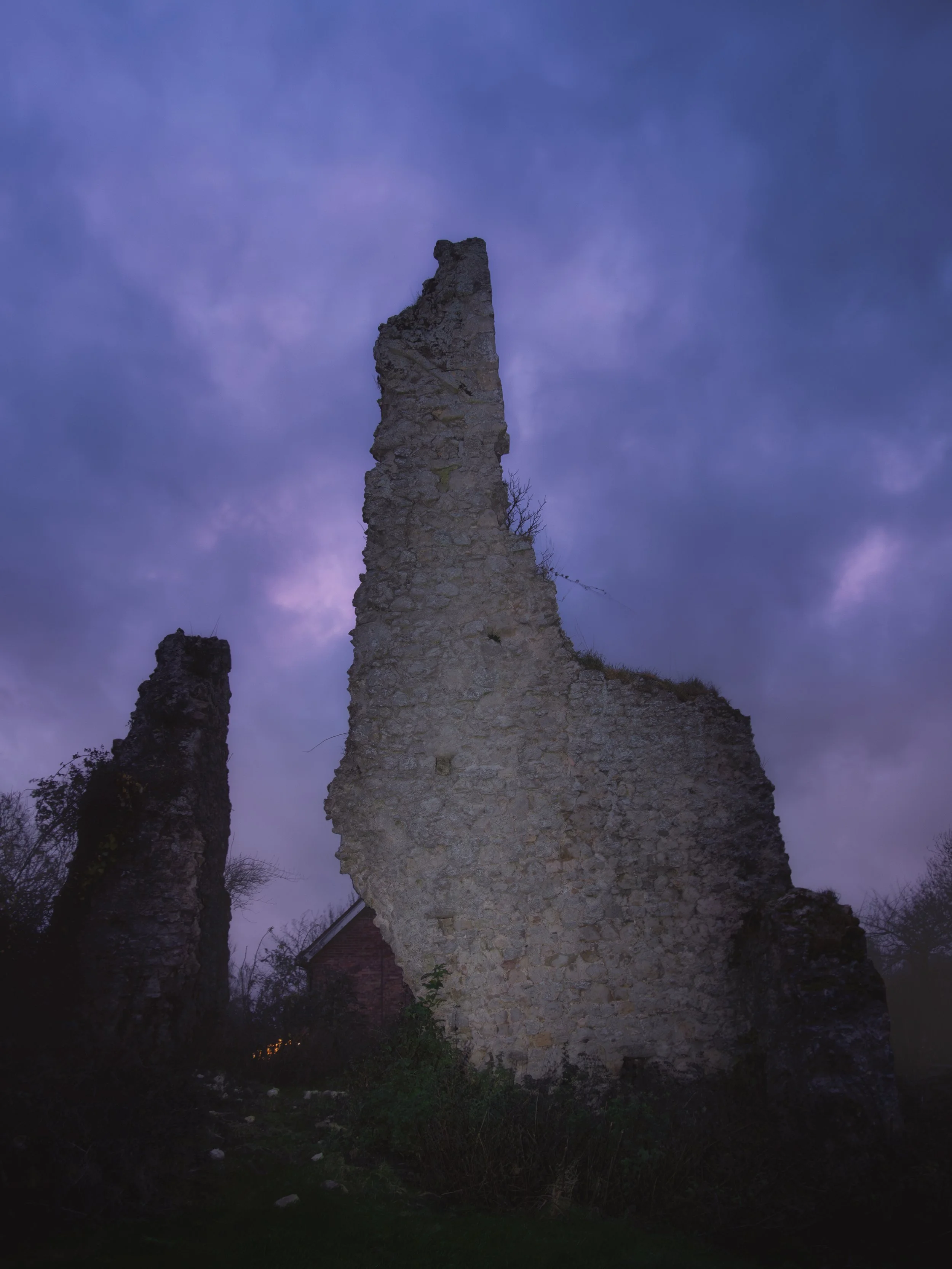
I include here an example of using artificial lights as the subject or supporting element, and one using artificial light to light the subject. The Brighton pier uses lights as the supporting elements, guiding the eye through the frame to the pier, whilst the street lamp one uses the lights as the subject. The historic derelict church uses a phone touch to light the church a bit against the background.
How I Edit Dusk Coastal Photos
When it comes to editing, you need only emphasis what is already there, returning us back to the scene we took. For dusk photos this could be emphasising atmospheric effect, the lack of contrast or emphasising the light that is present. But don’t try adding contrast, or lighting parts of the image that wasn’t naturally lit, in my experience this makes the image look odd in the setting of dusk. The same goes for fog and mist, these atmospheric phenomenons happen a lot at the coast or on the marsh or lowlands (both of which I am lucky enough to have nearby) however, if they have not occurred, its hard to add them in post processing, and best not to force it.
Conclusion
Sunset may still be the headline act, but for me dusk is often where the more interesting photography begins. On the coast, it brings softer colour, lower contrast, atmosphere, and the chance for moonlight, mist, silhouettes, and artificial light to play a bigger role in the frame.
It asks for more patience, and often a little more trust in what the camera can do, but it can reward you with images that feel quieter, moodier, and less expected. So while I still love sunset, I am increasingly learning not to leave when it ends. Some of the best coastal photographs may come just after the main show is over.
